

In the Studio
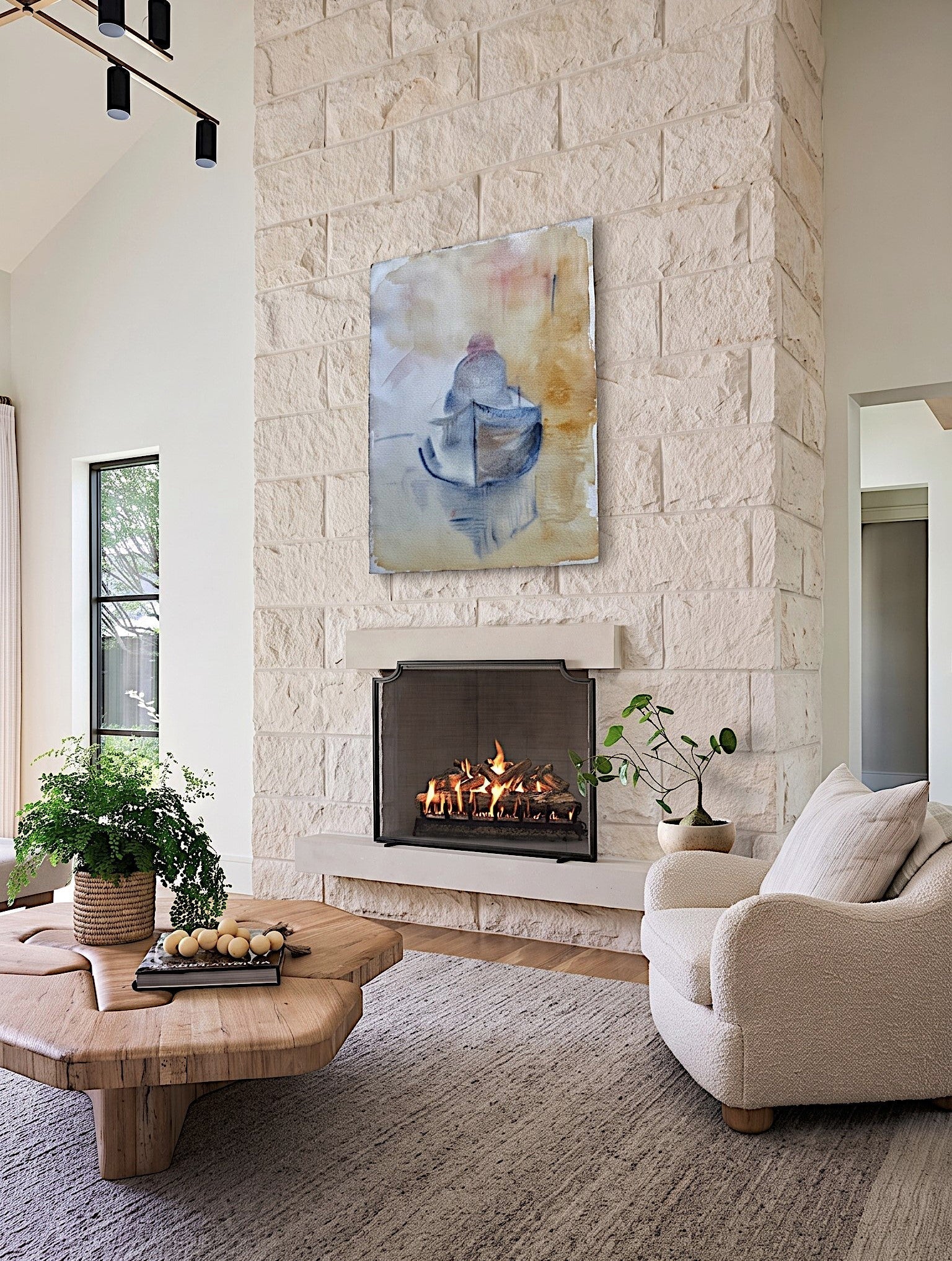
A fireplace screen is one of the last pieces to enter a room, but it changes how the fireplace reads every day after. The right screen gives the firebox proportion, material, and finish. It turns a dark opening into something made with intention.

In the Dallas studio, that work starts with structure. Each custom fire screen has to sit properly at the hearth, hold its shape, protect the opening, and belong to the room around it. The decisions are practical first: frame, mesh, feet, finish, and the way the fireplace is used.
Those practical decisions are also where the character of the piece begins.

The Frame
The frame is the foundation of the screen. We build with solid iron bar because it gives the piece weight, stability, and a clear edge at the firebox. It is not hollow tubing. It feels different in the hand, and it behaves differently over time.
Scale matters here. A larger fireplace opening may need a stronger frame proportion so the screen does not look thin against stone, plaster, brick, or a tall mantel. A smaller opening may want something more restrained, especially when the architecture is already doing a great deal of visual work.
For a quiet version of this idea, look at the Dakota Fireplace Screen. Its rectangular frame and fine mesh are simple on purpose. The fit, finish, and proportion carry the design.
The Mesh
Mesh is easy to overlook until it is wrong. The weave affects visibility, reflection, and how much of the firebox the eye reads through the screen.
Natural steel mesh is often our first choice because it lets firelight move through clearly. When a firebox is less attractive, or when the designer wants the opening to recede, a darker painted mesh can help soften what sits behind the screen.
Mesh choice is not only a finish decision. It changes how much shadow, flame, and firebox interior remain visible from the room.
Natural steel mesh
Best when the designer wants firelight and depth to remain visible.
Darker painted mesh
Useful when the firebox needs to recede or the screen needs a quieter read.
The Feet
The feet decide how the screen meets the hearth. Sometimes they should disappear into the frame as much as possible. Sometimes they are part of the drawing.
On a restrained screen, the foot can die into the frame so the screen feels almost suspended in place. On a more decorative piece, the foot may echo the form of the design. The Butterfly Fireplace Screen is a good example. The feet support the screen, but they also belong to the movement of the butterflies across the mesh.

The Finish
Finish is where the hand is easiest to see. CCC offers six standard hand-painted finishes, three light and three dark, each applied by the studio's finish team. The surface should support the room without trying to outwork the metal.
Oxidized finishes behave differently. They are more variable by nature, which is part of their appeal. No two surfaces will be identical, though the studio has developed formulas that keep the result controlled enough for interior work.
For certain outdoor or high-heat applications, powder coating may be the better route. A large wood-burning fireplace, especially in an exterior or ranch setting, asks different things of the finish than a normal indoor gas log fireplace.
Gas Log or Wood Burning
The fireplace type matters before fabrication begins. Gas log fireplaces usually give the studio more latitude with mesh, frame detail, glass, and hand-applied finish. Wood-burning fireplaces create more heat, so material and finish recommendations may change.
If the fireplace burns wood, say that early. If the firebox is unusually large, used often, or exposed to weather, say that too. The right material conversation is much easier before a quote is written.
What Makes It Heirloom Quality
Heirloom quality is not a mood. It is construction, proportion, and the ability to keep living well in a room after the first photograph is taken.
For CCC, that means solid iron bar, careful mesh selection, feet that are resolved rather than added at the end, and finishes applied by hand. It also means custom sizing when the firebox or room calls for it. A fireplace screen should be scaled to the opening, but also to the mantel, hearth, surrounding material, and the way the fireplace sits in the room.

Choosing the Right Screen
Some rooms ask for the quiet line of Dakota. Some can carry the movement of Butterfly, Primrose Garden, Ginkgo, or another nature-inspired design. The difference is not better or worse. It is fit.
If you are comparing options, start with the fireplace opening, the surrounding materials, and how much visual presence the room wants at the hearth. Then look at the full fireplace screen collection with those notes in mind.
For custom work, send the studio a straight-on photograph of the fireplace, the firebox width and height, the fireplace type, and any site conditions that affect the hearth. From there, we can recommend the right path: a custom commission, an in-stock screen, or a finish adjustment based on how the fireplace will be used.
Each screen is made in the Claire Crowe Collection studio in Dallas, where the team works in forged iron, mesh, glass, and hand-applied finishes for residential interiors.


